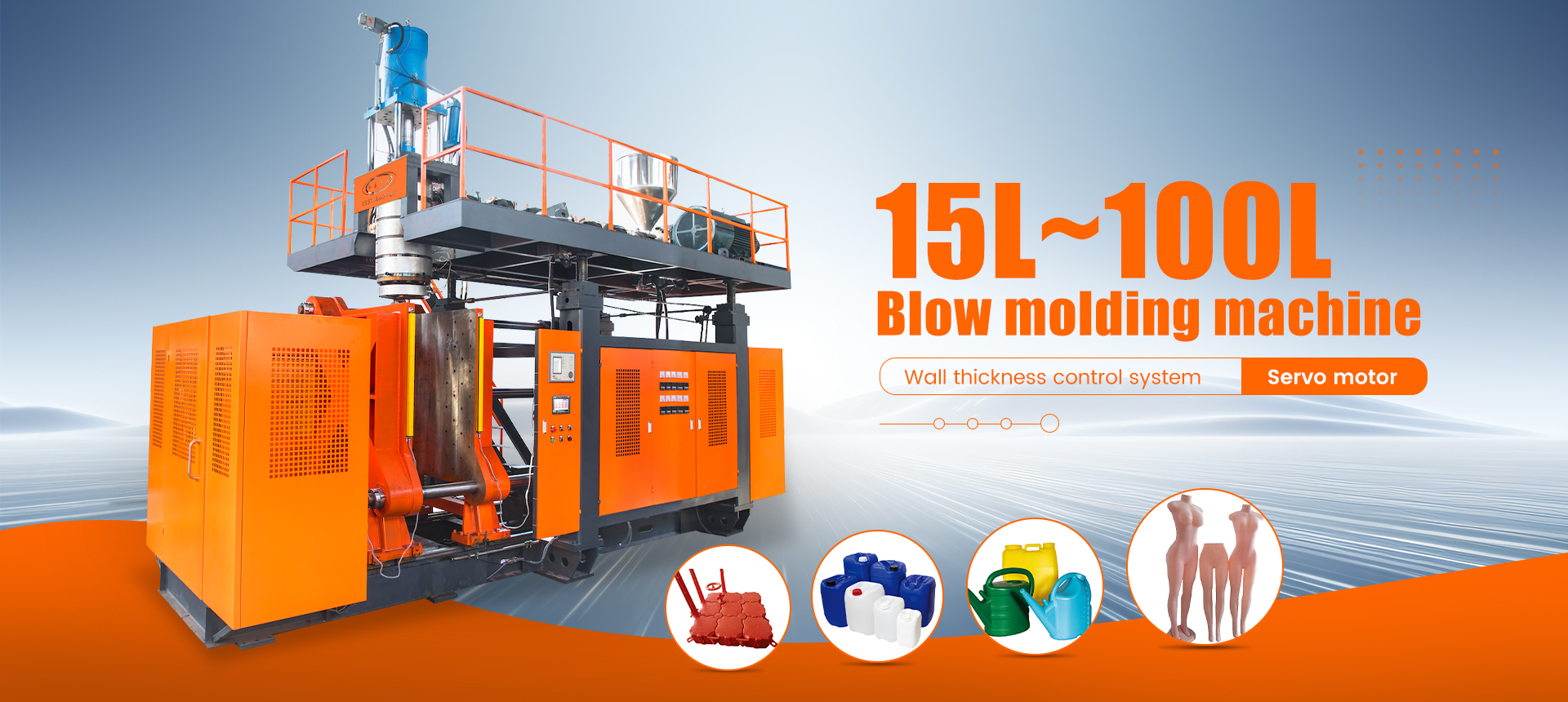
Continual extrusion equipment consists of rotary wheel blow molding systems and shuttle machinery, even though intermittent extrusion machinery features reciprocating screw machinery and accumulator head machinery.
The technical storage or obtain that is certainly utilized solely for statistical applications. The complex storage or access that is certainly made use of solely for nameless statistical uses.
The technical storage or obtain is needed for the reputable objective of storing preferences that aren't requested because of the subscriber or person. Stats Statistics
The origins of plastic blow molding is usually traced back to the ancient practice of glass blowing, a foundational technique within the evolution of modern manufacturing processes. Both of those molten glass and thermoplastics could be formed by introducing pressurized air into the material, a principle that lies at the heart of nowadays’s blow molding sector. The earliest technique of molding glass, often called totally free-blowing, dates back on the 1st century BC and revolutionized glass container creation by enabling advanced, hollow designs.
According to Collins Dictionary: “Blow molding is actually a process for forming plastic objects wherein plastic is melted, place within a mould, and afterwards formed by possessing compressed air blown into it.”
Current breakthroughs in blow molding engineering have centered on improving upon performance, decreasing waste, and maximizing product or service good quality.
Adhering to the pioneering operate with glass, the earliest non-glass blow molding content was normal rubber. During the 1850s, inventor Samuel Armstrong patented a approach for molding hollow rubber goods, placing a precedent to the exploration of different products in blow molding.
PA production generally goes in the manufacture of fibers. Only about Plastic Blow Molding ten% of PA production quantity is used in plastic forming procedures. The widespread purposes of blow-molded PA are automotive sections and fuel tanks.
There's two main kinds of extrusion blow molding categorized by the tactic of extruding the plastic to build the parison. These are generally continuous and intermittent blow molding.
The plastic workpiece is then clamped right into a mould and air is blown into it. The air stress inflates the plastic which conforms on the mildew. After the plastic has cooled and hardened the mold opens and also the component is ejected. Water channels within the mold help cooling.
Continual blow molding is appropriate for creating compact to medium-sized plastic areas requiring lesser financial investment and fewer sophisticated operation. However, to generate bigger solutions, plastic with the proper viscosity and great soften energy have to be employed.
The 2nd phase consists of transferring the preform into another list of molds that comprise the profile of the final item. The preforms are then blown to condition. Soon after achieving the scale of your mold, the plastic is then cooled for ejection. The final phase may be the ejection period where the die is opened to release the products.
These mildew halves may be configured into different types in accordance with the mounting and motion with the mildew. One particular configuration may be the shuttle press type that may keep solitary or several parisons positioned horizontally up coming to each other. Shuttle press is less costly than the opposite configurations but includes a lower throughput.
The blow molding procedure commences with softening Plastic Blow Molding plastic by heating a preform or parison. The parison can be a tube-like piece of plastic that has a hole in one conclusion through which compressed air can enter.